(+20)1014309220
info@legend-herbs.com
(+20) 842172800
info@legend-herbs.com
Home
About
Products
Herbs
Seeds
Spices
Oils
Our Supply Chain
FAQ
Contact Us
Home
About
Products
Herbs
Seeds
Spices
Oils
Our Supply Chain
FAQ
Contact Us
Home
About
Products
Herbs
Seeds
Spices
Oils
Our Supply Chain
FAQ
Contact Us
Home
About
Products
Herbs
Seeds
Spices
Oils
Our Supply Chain
FAQ
Contact Us
Herbs
Home
Herbs
Chamomilla
Scientific Name
: Matricaria chamomilla
Family
: Asteraceae.
Active Ingredient
: Apigenin, known for its calming and antiinflammatory effects.
Cultivation Season:
Planted in November and harvested in March-April.
Color:
White petals with yellow centers.
Purity:
High-quality chamomile with ≥%99 purity, free from contaminants.
EU Compliance:
Fully meets European Union standards for pesticide residues, microbiological safety, and heavy metal limits.
Contact via WhatsApp
Thyme
Scientific Name:
Thymus vulgaris
Family:
Lamiaceae (Mint family)
Active Ingredient:
Thymol, known for its antimicrobial and
antifungal properties.
Cultivation Season:
Grown in spring (March-May) or autumn
(September-November).
Color:
Greenish-gray leaves with a strong aromatic scent.
Purity:
High-quality thyme with ≥%99 purity, free from
contaminants.
EU Compliance:
Fully complies with European Union standards
for pesticide residues, heavy metals, and microbiological safety.
Contact via WhatsApp
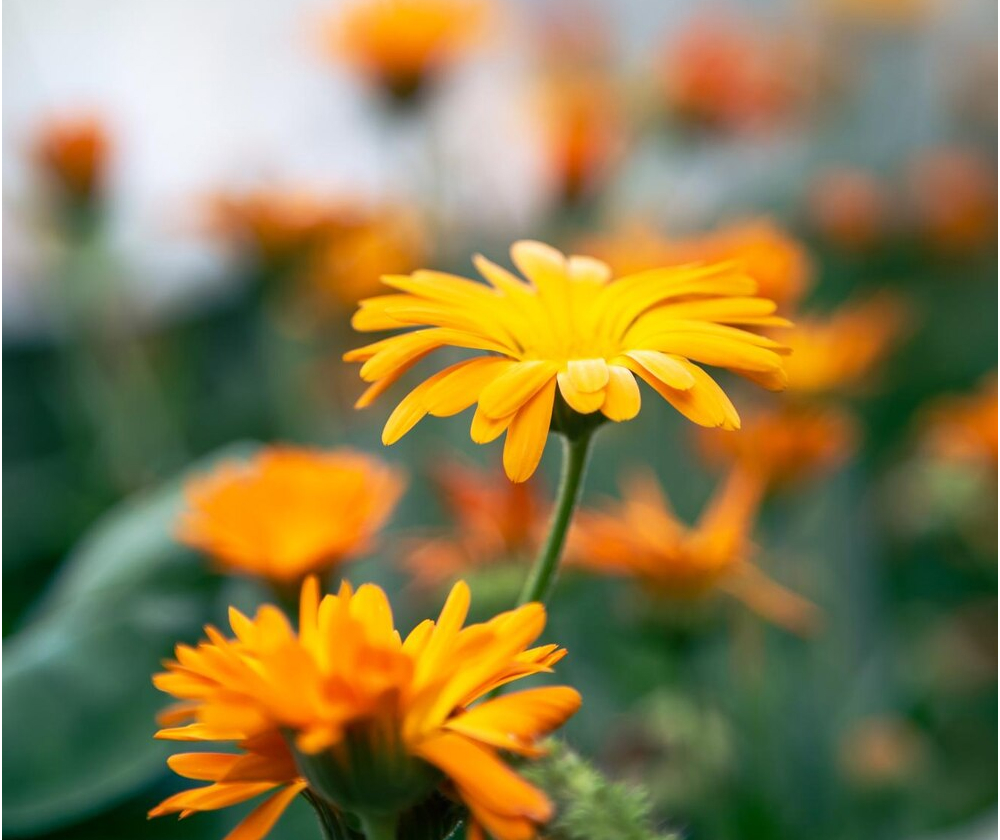
Calendula
Scientific Name
: Calendula officinalis
Family
: Asteraceae (Daisy family).
Active Ingredient
: Flavonoids and
Triterpenoids, known for their anti-inflammatory and healing properties.
Cultivation Season:
Planted in spring (March-April) and harvested in summer (June-July).
Color:
White petals with yellow centers.
Purity:
High-quality with ≥%99 purity,
free from contaminants.
EU Compliance:
Fully meets EU standards for pesticide residues, microbiological safety, and heavy metals.
Contact via WhatsApp
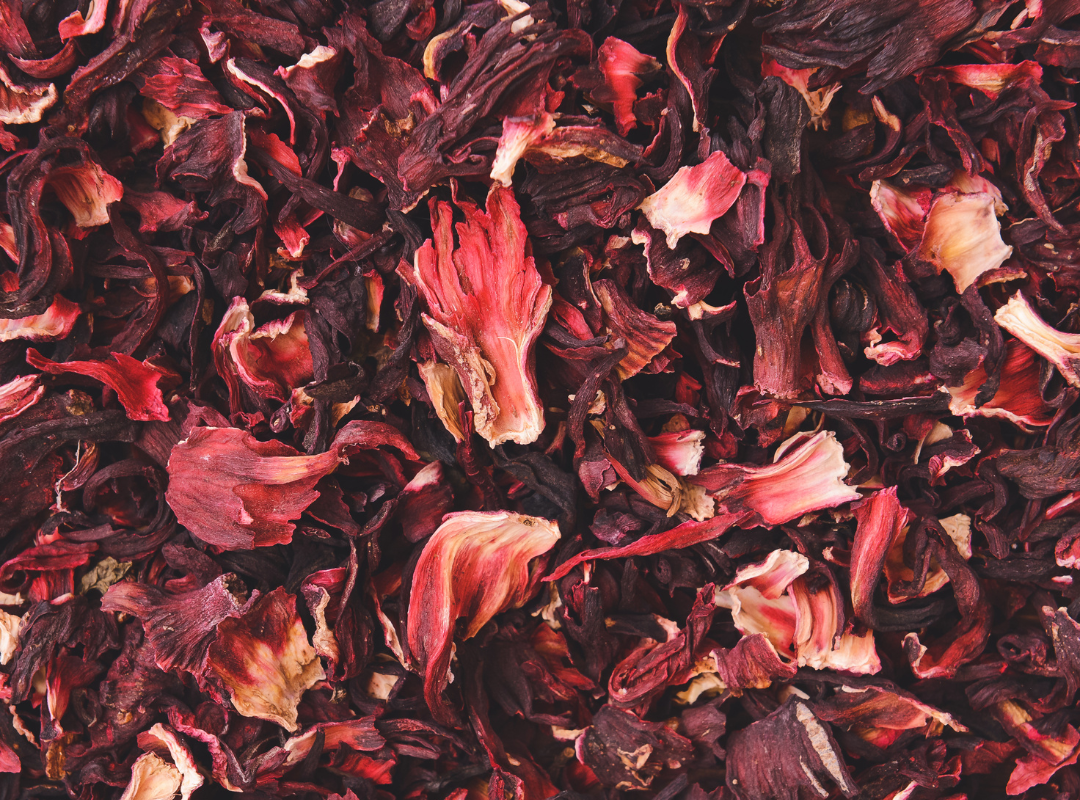
Hibiscus
Scientific Name
: Hibiscus sabdariffa
Family
: Malvaceae
Active Ingredient
: Anthocyanins, known for their antioxidant and anti-inflammatory
properties.
Cultivation Season
: Typically planted in spring (March-April) and harvested in late
summer to early autumn.
Color
: Red to deep purple flowers.
Purity
: High-quality hibiscus with ≥%99 purity, free from impurities.
EU Compliance
: Fully meets European Union standards for pesticide residues, microbiological safety, and heavy metal limits.
Contact via WhatsApp
Basil
Scientific Name
: Ocimum basilicum
Family
: : Lamiaceae (Mint family)
Active Ingredient
: Eugenol, which has anti-inflammatory and antibacterial properties.
Cultivation Season:
Grown in spring to summer, typically planted after the last frost.
Color:
Bright green leaves, sometimes purple depending on the variety.
Purity:
High-quality basil with ≥%99 purity, free from contaminants.
EU Compliance:
Fully meets European Union standards for pesticide residues, microbiological safety, and heavy metal limits.
Contact via WhatsApp
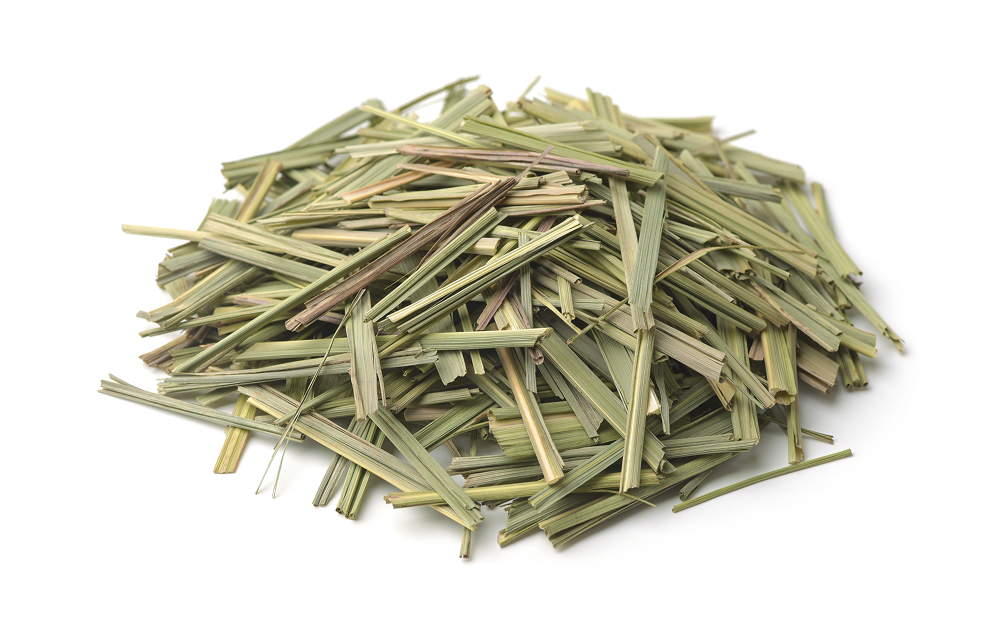
Lemongrass
Scientific Name
: Cymbopogon citratus
Family
: Poaceae (Grass family)
Active Ingredient
: Citral, known for its strong citrus fragranceand antimicrobial properties.
Cultivation Season
: Grown in spring and summer, typically from March to September.
Color
: Green stalks with a light yellowish tint.
Purity
: High purity levels of ≥%99, free from contaminants and foreign matter.
EU Compliance
: Meets European Union standards for pesticide residues, heavy metals, and microbiological safety, ensuring the highest quality.
Contact via WhatsApp
Moringa
Scientific Name
: Moringa oleifera
Family
: Moringaceae
Active Ingredient
: Moringa contains moringin, vitamins (A, C, E), and antioxidants,
offering anti-inflammatory and nutritional benefits.
Cultivation Season:
Grows year-round in tropical climates, with optimal planting
in spring to summer.
Color:
Green leaves, with flowers that are white to cream in color.
Purity:
High-quality moringa with ≥%99 purity, free from contaminants.
EU Compliance:
Fully complies with European Union standards for pesticide residues, microbiological safety, and heavy metals.
Contact via WhatsApp
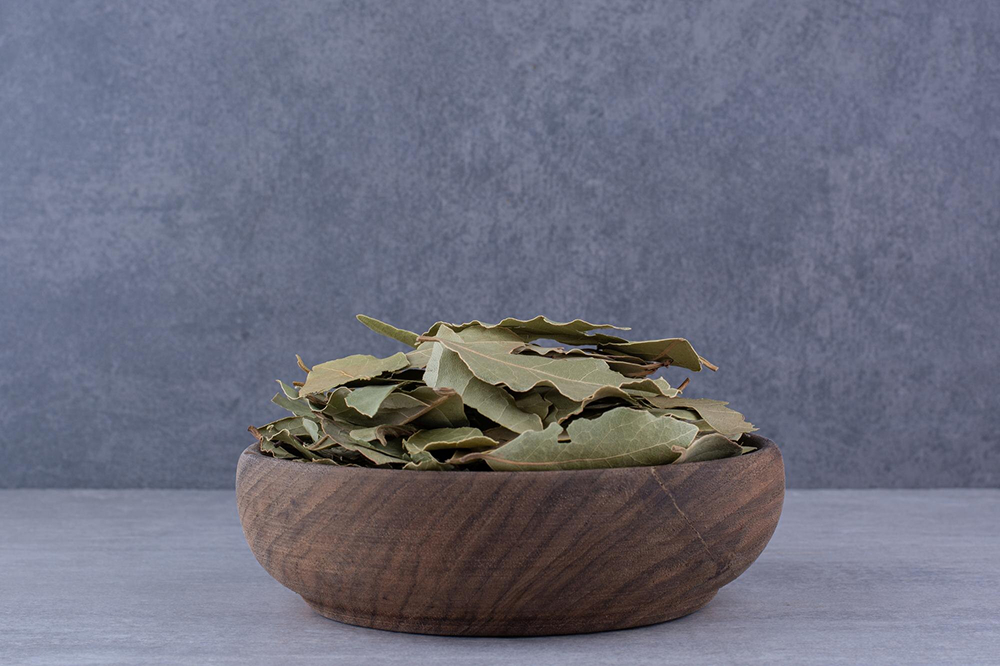
Bay Leaf (Laura paper)
Scientific Name
: Laurus nobilis
Family
: Lauraceae
Active Ingredient
: Eucalyptol and cineole, known for their antimicrobial and anti-inflammatory properties.
Cultivation Season
: Grown year-round in temperate climates, best harvested in late summer to early autumn.
Color
: Dark green, glossy leaves.
Purity
: High-quality bay leaves with ≥%99 purity, free from contaminants.
EU Compliance
: Fully compliant with European Union standards for pesticide residues, heavy metals, and microbiological safety.
Contact via WhatsApp
Rosemary
Scientific Name
: Rosmarinus officinalis
Family
: Lamiaceae (Mint family)
Active Ingredient
: Rosmarinic acid and Carnosic acid, known for their antioxidant and anti-inflammatory properties.
Cultivation Season:
Typically planted in spring (March-April) and harvested in summer (June-August).
Color:
Green leaves with a silvery underside and blue to purple flowers.
Purity:
High-quality rosemary with ≥%99 purity, free from contaminants.
EU Compliance:
Meets European Union standards for pesticide residues, heavy metals, and microbiological safety.
Contact via WhatsApp
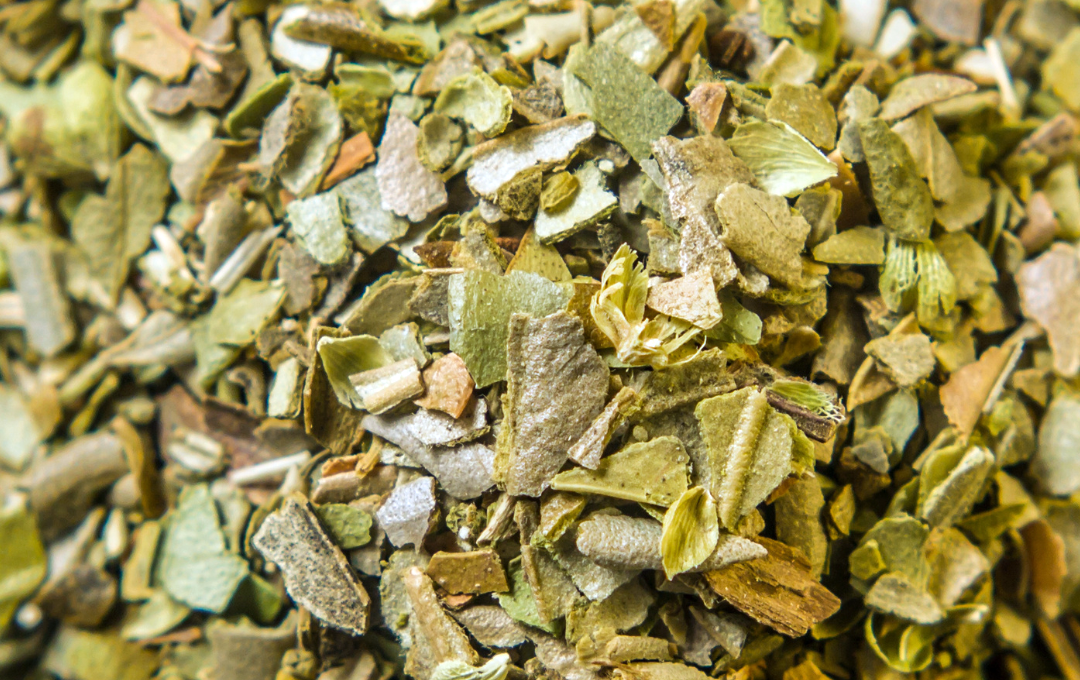
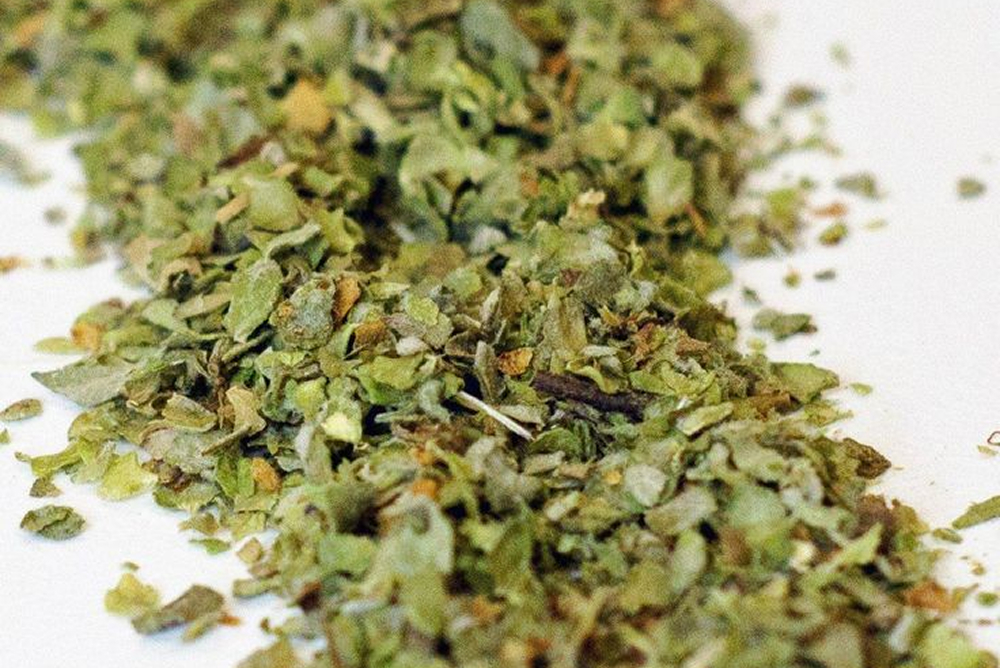
Marjoram
Scientific Name
: Origanum majorana
Family
: Lamiaceae (Mint family)
Active Ingredient
: Carvacrol and Thymol, known for their
antibacterial and antifungal properties.
Cultivation Season
: Typically planted in spring (March-April) and harvested in summer (June-July).
Color
: Light green leaves with a slightly grayish tint.
Purity
: High-quality marjoram with ≥%99 purity, free from impurities.
EU Compliance
: Meets European Union standards for pesticide residues, heavy metals, and microbiological safety, ensuring premium quality.
Contact via WhatsApp
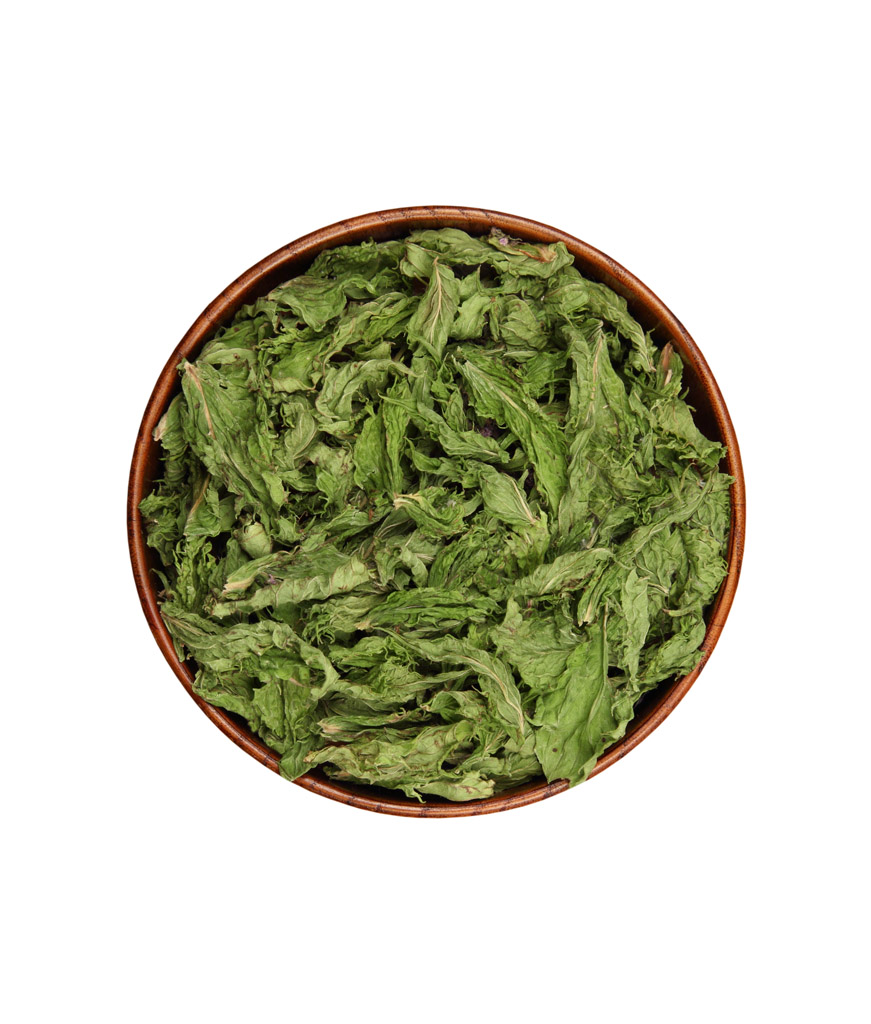
Spearmint (Mentha spicata)
Scientific Name
: : Mentha spicata
Family
: Lamiaceae (Mint family)
Active Ingredient
: Rich in menthol and carvone, known for their cooling and digestive properties.
Cultivation Season:
Grown in spring (March-May) and autumn (SeptemberNovember).
Color:
Vibrant green leaves with a fresh, strong aromatic scent.
Purity:
High-quality spearmint with ≥%99 purity, free from contaminants.
EU Compliance:
Fully complies with European Union standards for pesticide residues, heavy metals, and microbiological safety
Contact via WhatsApp
Peppermint (Mentha × piperita)
Scientific Name
: Mentha × piperita
Family
: Lamiaceae (Mint family)
Active Ingredient
: Menthol, known for its cooling sensation and digestive benefits.
Cultivation Season
: Typically grown in spring (March-May) and harvested in summer (June-August).
Color
: Deep green leaves with a strong, refreshing minty aroma.
Purity
: Premium-quality peppermint with ≥%99 purity, free from contaminants
EU Compliance
: Fully complies with European Union standards for pesticide residues, heavy metals, and microbiological safety
Contact via WhatsApp
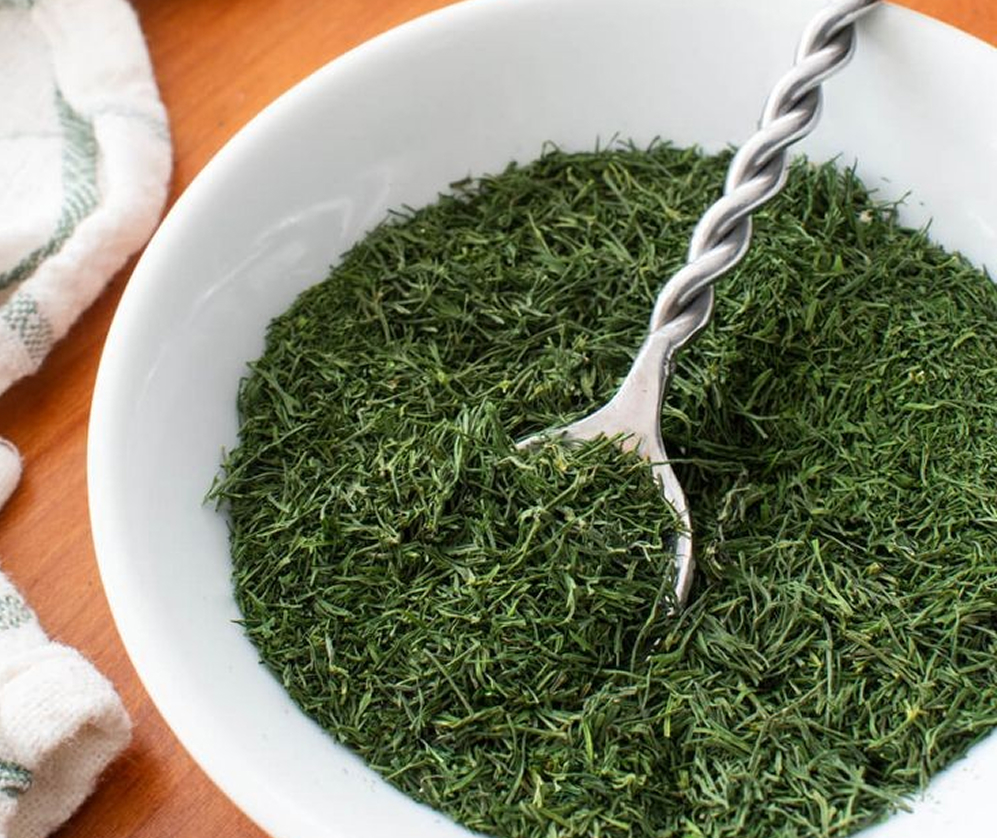
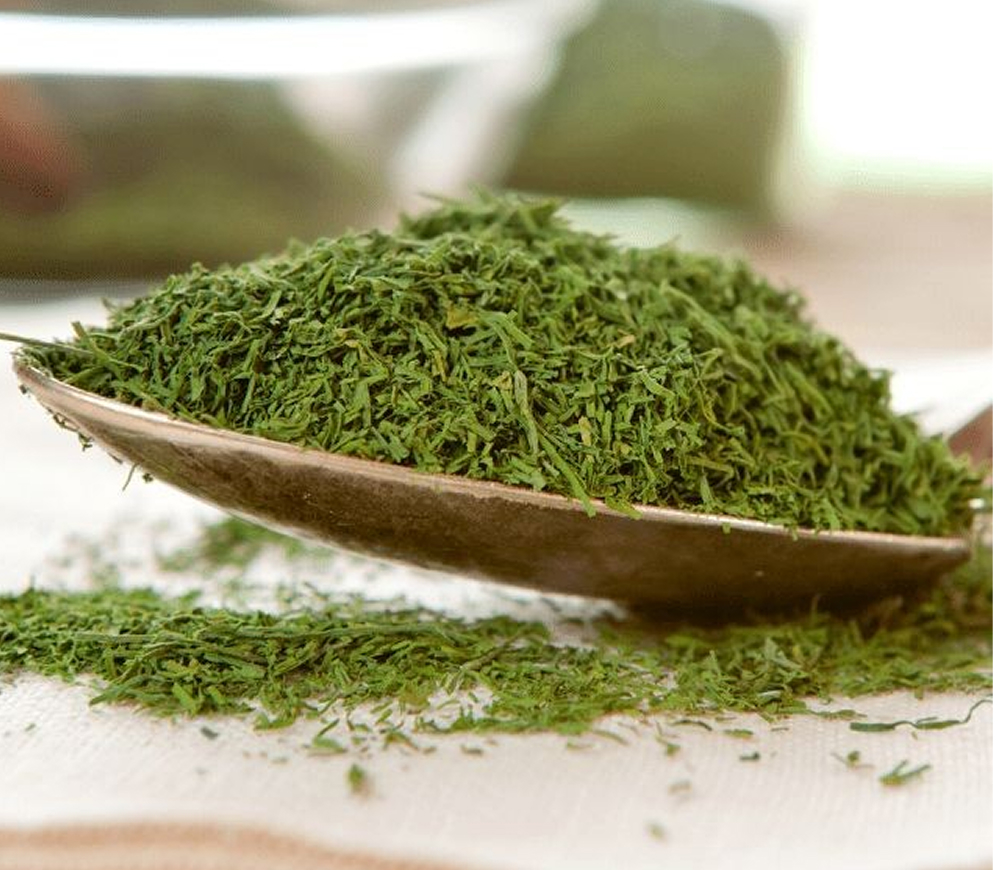
Dill
Scientific Name
:Anethum graveolens
Family
: Apiaceae (Carrot family)
Active Ingredient
: Rich in essential oils, mainly carvone, which gives it its distinct aroma and flavor.
Cultivation Season:
Typically grown in winter (OctoberFebruary) in temperate climates.
Color:
Fresh green leaves with a feathery, delicate appearance.
Purity:
High-quality dill with ≥%99 purity, free from contaminants.
EU Compliance:
Fully complies with European Union standards for pesticide residues, heavy metals, and microbiological safety
Contact via WhatsApp
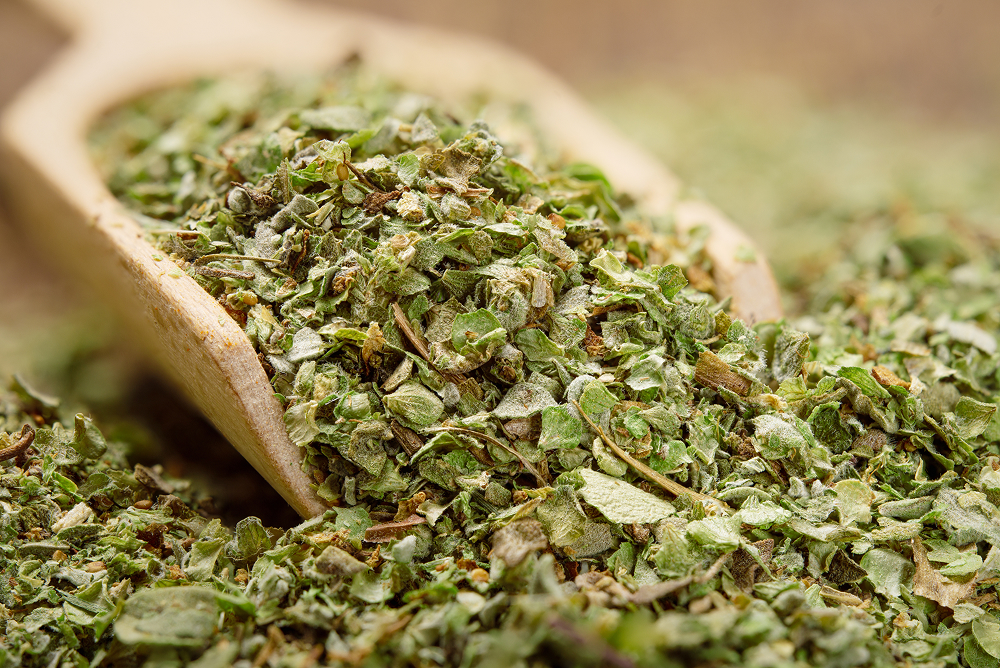
Oregano
Scientific Name
: Origanum vulgare
Family
: Lamiaceae (Mint family)
Active Ingredient
: Carvacrol and thymol, known for their antimicrobial, antioxidant, and anti-inflammatory properties.
Cultivation Season
: Grown in spring (March-May) or autumn (September-November).
Color
: Dark green leaves with a strong, aromatic scent.
Purity
: High-quality oregano with ≥%99 purity, free from contaminants.
EU Compliance
: Fully complies with European Union standards for pesticide residues, heavy metals, and microbiological safety
Contact via WhatsApp
Molokhia
Scientific Name
: Corchorus olitorius
Family
: Malvaceae
Active Ingredient
: Rich in beta-carotene, fiber, iron, calcium, and antioxidants, promoting digestion and overall health.
Cultivation Season:
Grown in warm seasons, typically from April to September.
Color
: Vibrant green leaves with a smooth texture and mild, slightly mucilaginous taste when cooked.
Purity:
Premium-grade molokhia with ≥%99 purity, free from foreign matter and contaminants
EU Compliance:
Fully adheres to European Union standards regarding pesticide residues, heavy metals, and microbiological safety
Contact via WhatsApp
Parsley
Scientific Name
: Petroselinum crispum
Family
: Apiaceae (Carrot family)
Active Ingredient
: Rich in essential oils,
flavonoids, and antioxidants, including
apigenin and myristicin.
Cultivation Season
: Typically grown in spring (March-May) and autumn (September-November).
Color
: Vibrant green leaves with a fresh, mildly peppery aroma.
Purity
: High-quality parsley with ≥%99
purity, free from contaminants.
EU Compliance
: Fully complies with
European Union standards for pesticide
residues, heavy metals, and microbiological
safety.
Contact via WhatsApp